DUMBOxDesign Day 2025: A Celebration of New York's Newest Design District
May 23, 2025
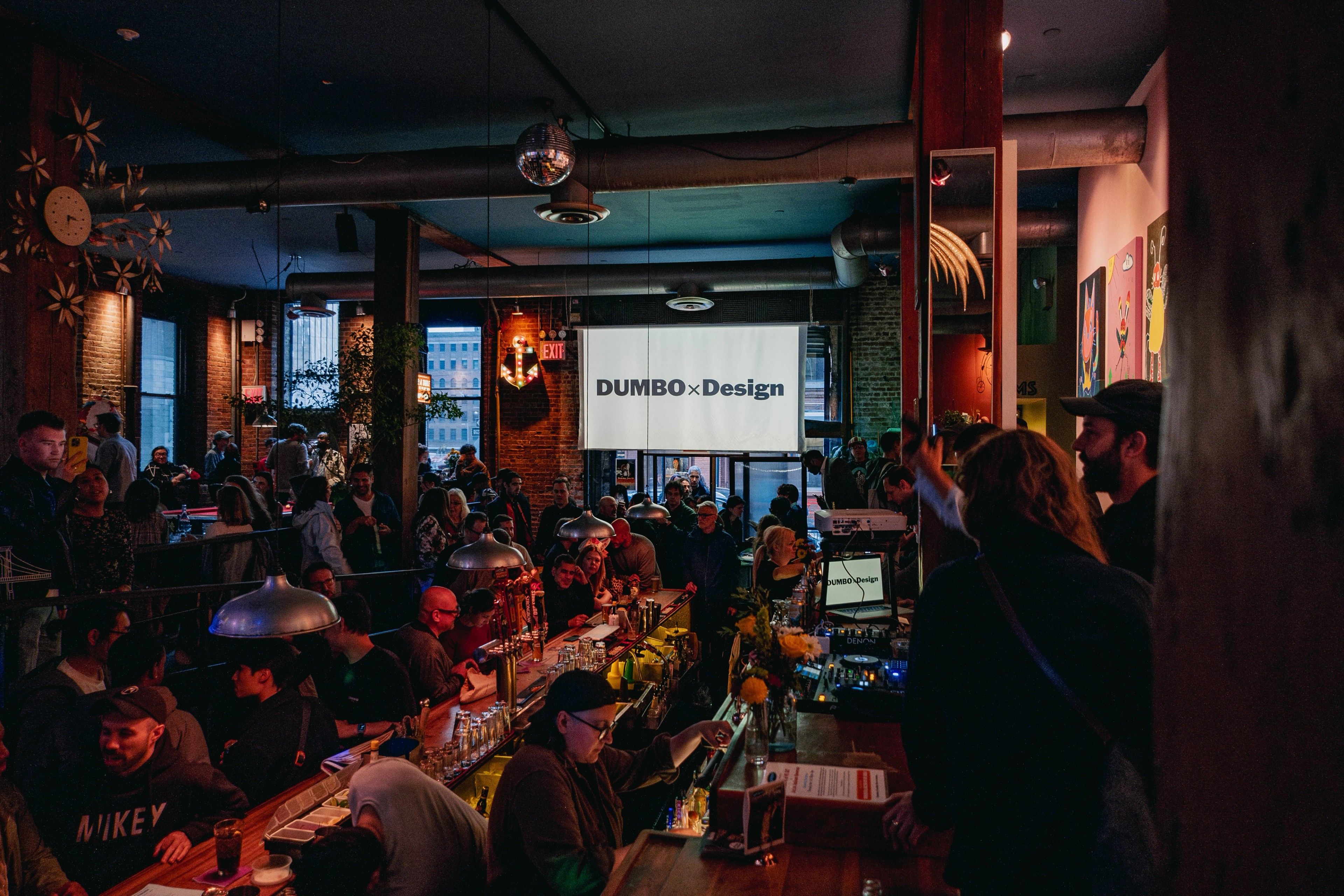
This Wednesday marked a milestone moment for our neighborhood. DUMBO officially became New York City's newest design district, and we celebrated with the inaugural DUMBOxDesign Day—the grand finale of this year's NYCxDESIGN Festival.
For years, architects, designers, and creatives have been quietly making DUMBO their home, drawn to the historic warehouse buildings, waterfront views, and that unmistakable collaborative energy you can feel in the air. Now, with more than 150 design firms based in the waterfront neighborhood, DUMBO arguably has the highest concentration of designers in New York City. The official recognition? It just makes it official.
“While the neighborhood’s reputation as a creative hub dates back to its industrial roots, in recent years we’ve seen a significant increase in architecture and design studios joining this creative community, and we’re proud to see the new culmination of activity resulting in DUMBO’s official recognition as a design district,” said Jed Walentas, Principal of Two Trees Management. “The NYCxDESIGN Festival and DUMBO x Design Day will showcase our city’s extraordinary creative talent and celebrate a community integral to New York City’s cultural landscape.”


A Day Worth Celebrating
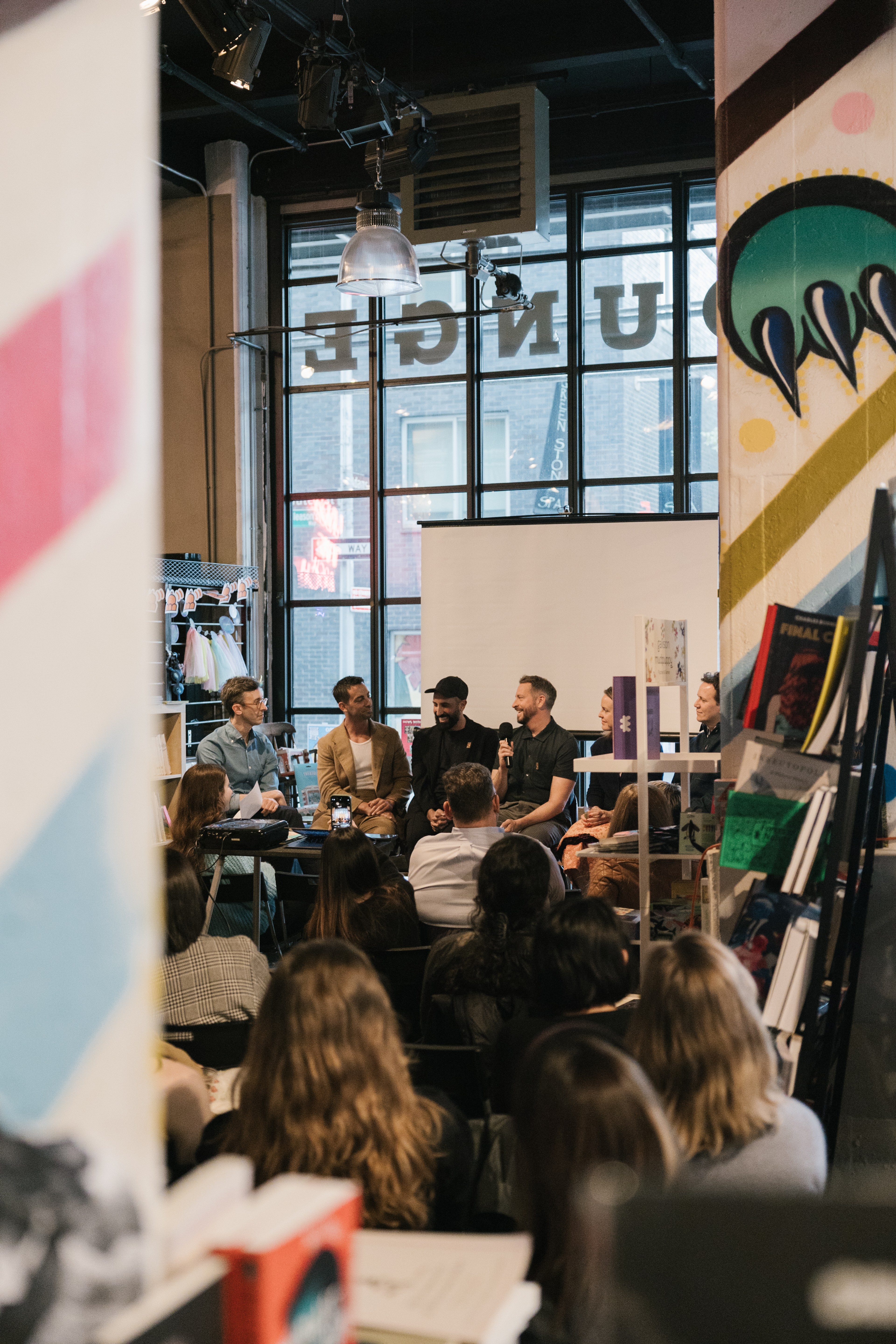
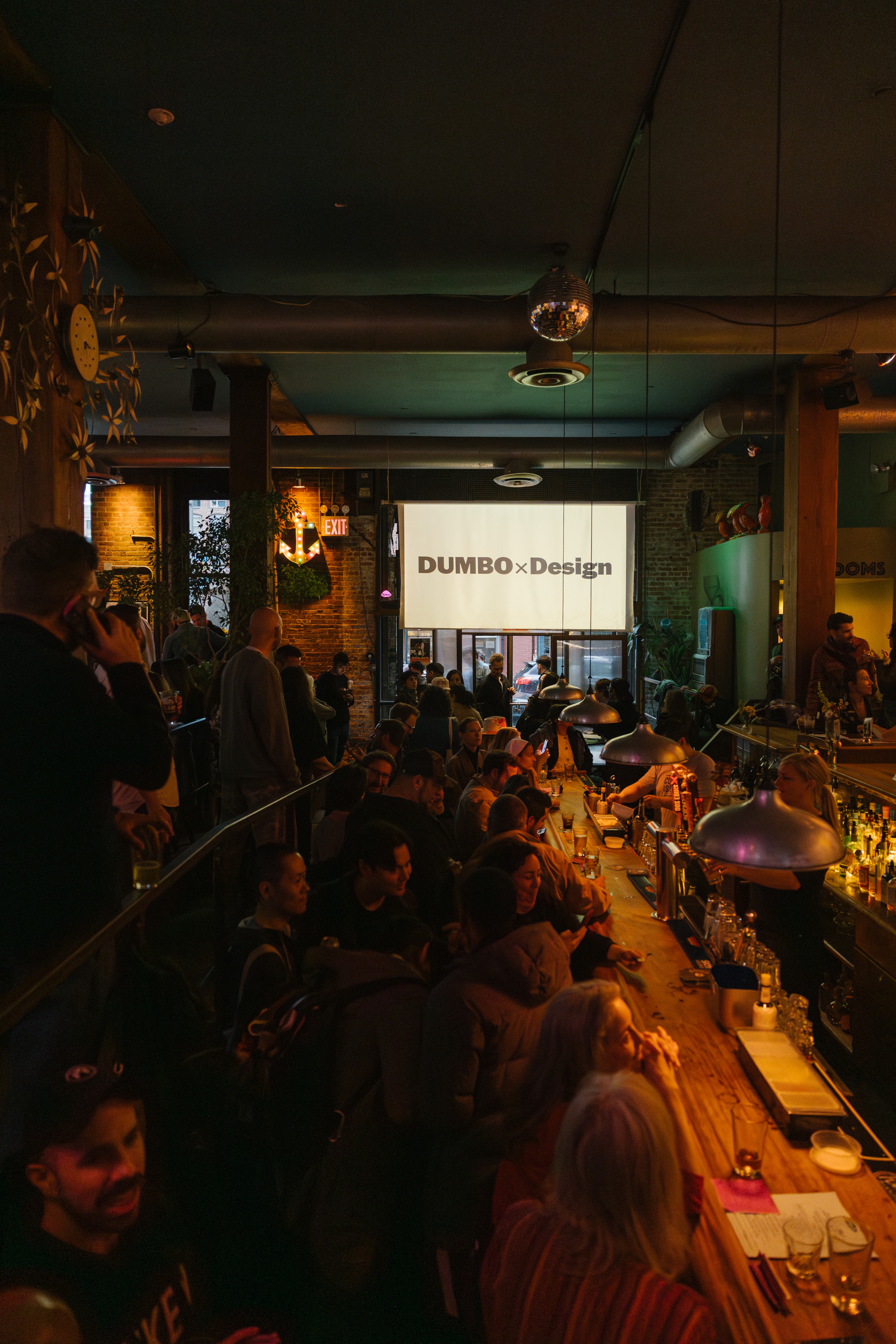
DUMBOxDesign Day brought the neighborhood's creative community together in the best way possible. More than 20 events filled the day—from studio open houses and panel discussions to book signings and cocktail parties. The variety was impressive: you could tour indie design shops in the afternoon, catch thought-provoking panels on design innovation, and end your evening watching art projections dance across the Manhattan Bridge.
Some of the neighborhood's most respected names opened their doors for the occasion. Architecture heavyweights like BIG, Snøhetta, Post Company, and JAM Architecture welcomed visitors into their studios. Design-forward retailers including Henrybuilt, Reform, Hudson Wilder, and Mark Jupiter showcased why they chose DUMBO as their home base. The day perfectly captured what makes this neighborhood special—a genuine sense of community among people who are equally passionate about great design.
“This day of programming celebrates DUMBO's arrival as New York City’s new design district,” said Alexandria Sica, President of DUMBO Business Improvement District. “Over the past decade, designers, architects, and artists have been choosing DUMBO for its historic architecture, waterfront access, and collaborative energy. This neighborhood is the ideal setting and community to close out NYC’s Design Week."
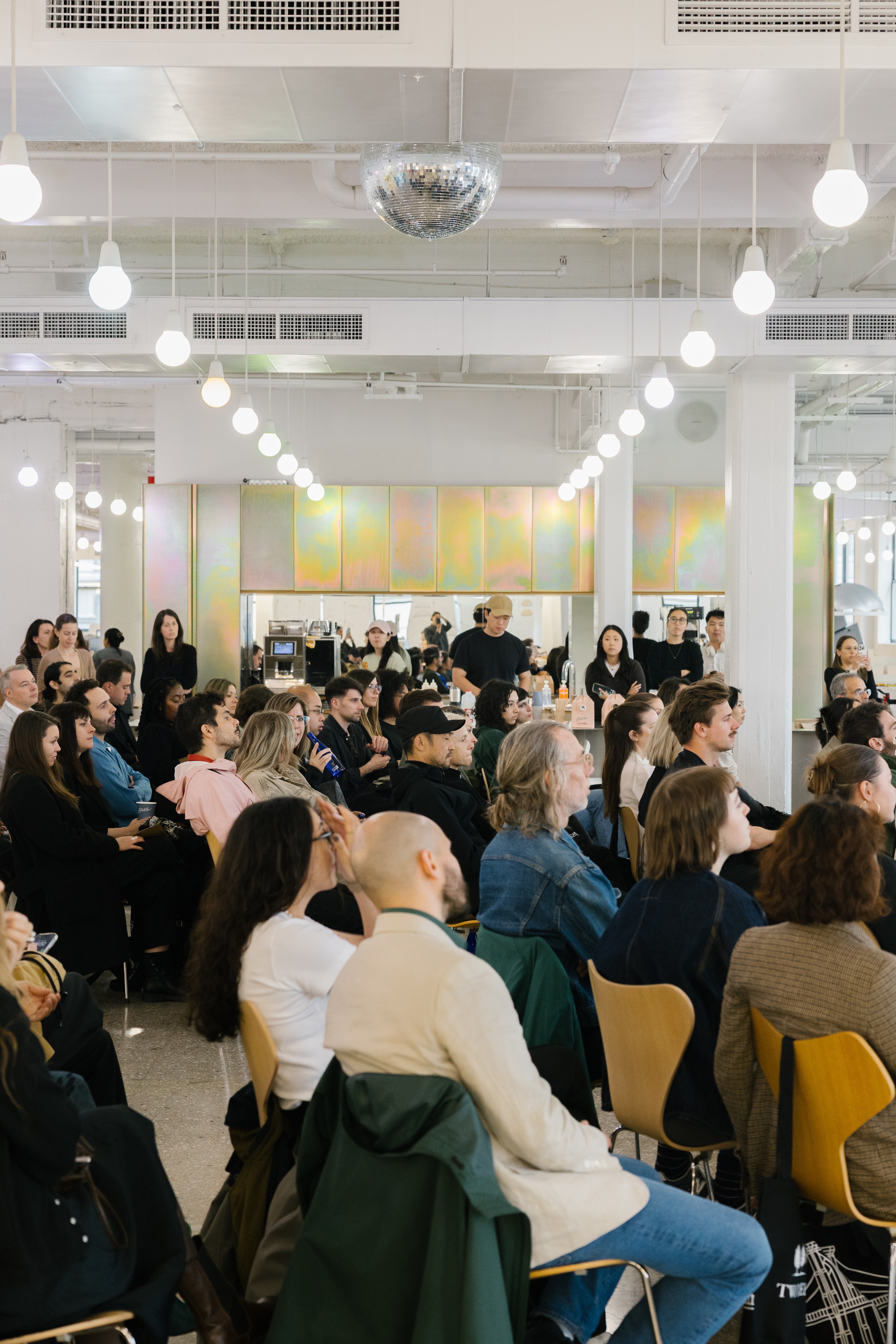

One highlight: BIG and Two Trees hosted "Lighting in the City" in BIG’s New York City headquarters at 45 Main Street, a panel discussion that explored how lighting shapes urban spaces. Post Company threw an evening celebration featuring their lighting collections with Idaho Wood and Episode. And Henrybuilt marked the occasion by opening their stunning two-story experience center with Space Theory in the historic Stable Building—relocating from Manhattan to join DUMBO's design community.
The celebration reached its peak with the official NYCxDESIGN closing party at Superfine. Bringing the entire city's design community to DUMBO for the week's final event underscored the neighborhood's new status as a creative destination—and made for an unforgettable way to cap off seven days of design programming across the five boroughs.

Why DUMBO Works for Designers
As Mary-Grace Tate from Post Company put it during the festivities, DUMBO offers "the perfect marriage of Brooklyn sensibilities and a little bit more of a Manhattan vibe." The neighborhood has that rare combination of history and progress—converted warehouses with soaring ceilings, waterfront access that clears your head, and proximity to Manhattan without actually having to cross the bridge every morning.
But beyond the physical space, there's something else happening here. Many of the design principals don't just work in DUMBO—they live here too. That creates an authentic creative community where collaboration happens naturally, whether over coffee or during chance encounters on the street.
Looking Ahead
DUMBO x Design Day wasn't just a celebration, it was a statement. This neighborhood has always been a creative hub, dating back to its industrial roots. Now, as New York City's newest official design district, DUMBO is positioned to play an even bigger role in shaping the future of architecture and design.
Explore More

From a Few Employees to Hundreds: Overtime’s DUMBO Story

Reinventing the Wig in DUMBO: A Q&A with The Renatural

Meet North.cloud: The Fast-Growing Tech Startup Building the Future of Cloud Spend in DUMBO
