Snøhetta’s New DUMBO Headquarters: A Conversation with Founder Craig Dykers
June 5, 2026
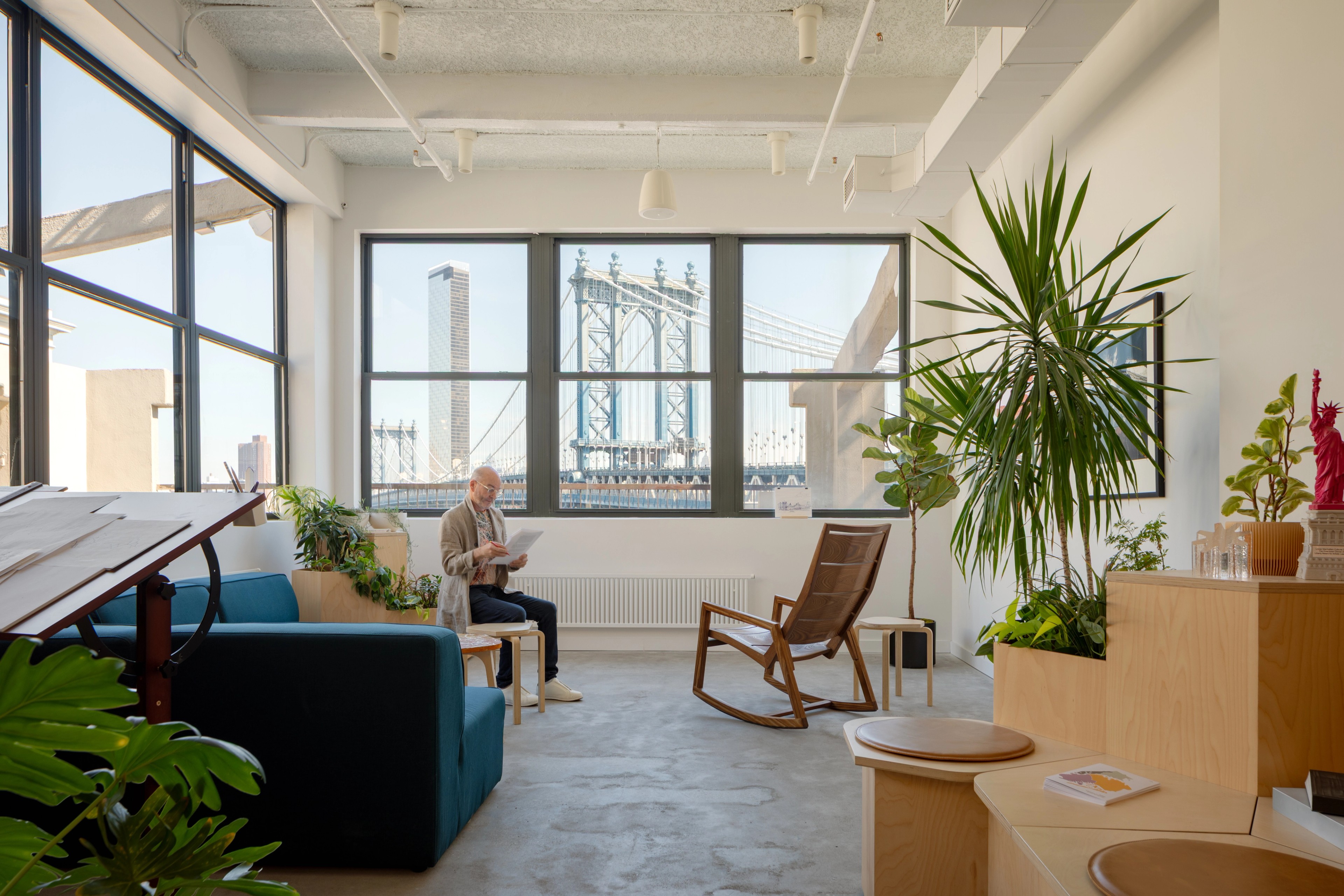
We stopped by Snøhetta’s new DUMBO headquarters to chat with Founder and Partner Craig dykers about the globally renowned firm’s design philosophy, what drew them to the neighborhood, and the role architecture plays in shaping communities.
Q: What is the design philosophy of Snøhetta?
Craig: At Snøhetta, our design philosophy is rooted in transdisciplinary thinking and a deep respect for environmental, cultural, and social contexts. We create projects that are not only functional and beautiful but also contribute meaningfully to their surroundings. Interaction is central to our process, bringing together architects, landscape architects, designers, artists and others from the outset. Ultimately, we strive to design spaces that foster holistic connections between people, and between people and place.
Q: You chose to plant your New York roots in DUMBO. What was it about this neighborhood that felt like the right home for Snøhetta, and for yourself?
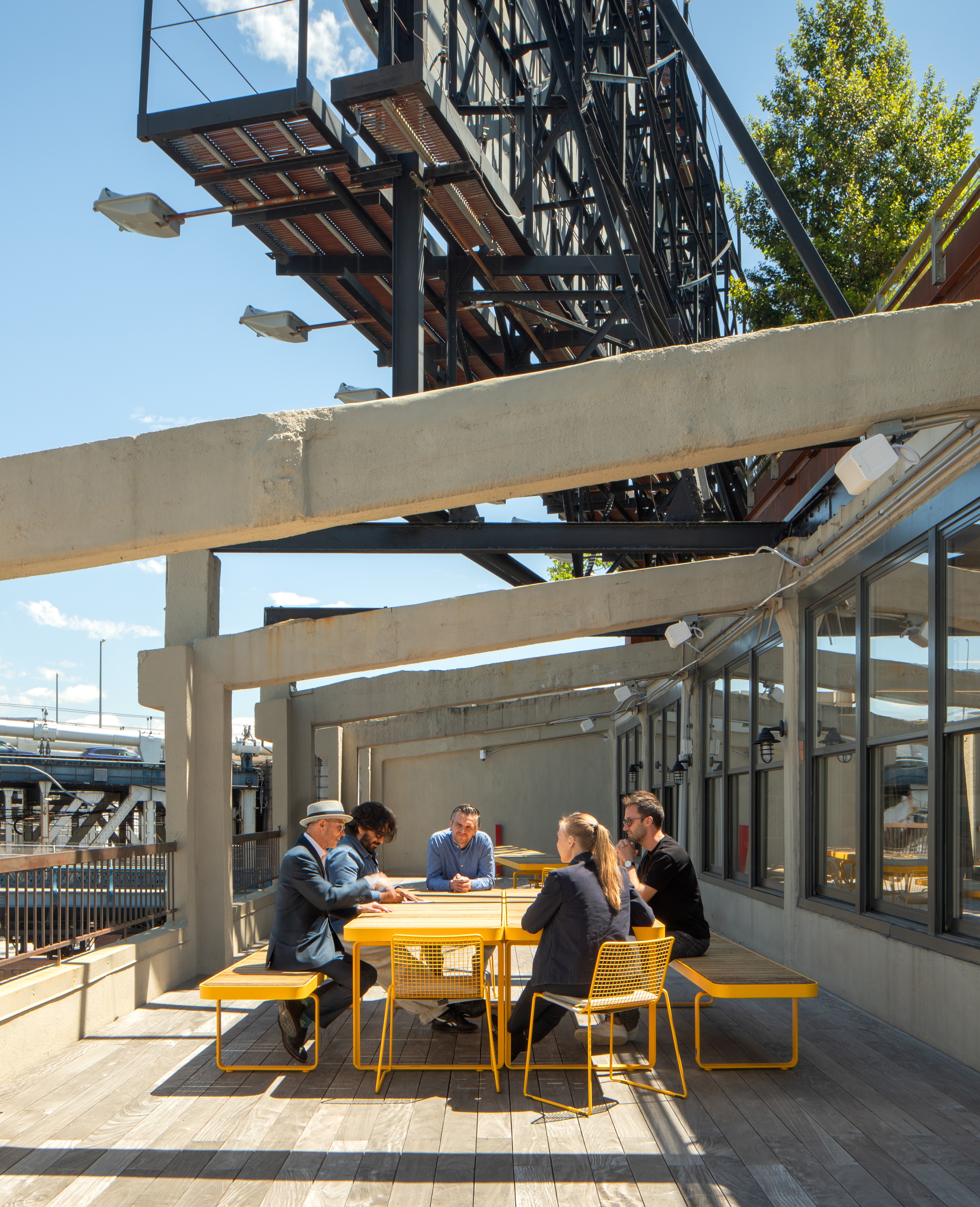
Craig: DUMBO has a unique energy, it’s creative, layered, and constantly evolving. There’s a strong sense of community here, with a mix of designers, artists, and makers who are all contributing to something larger. The industrial character of the neighborhood, combined with its openness to experimentation, made it feel like a natural fit for us. It’s also a place where global ideas can connect with a local identity. This aligns closely with how we approach our work.
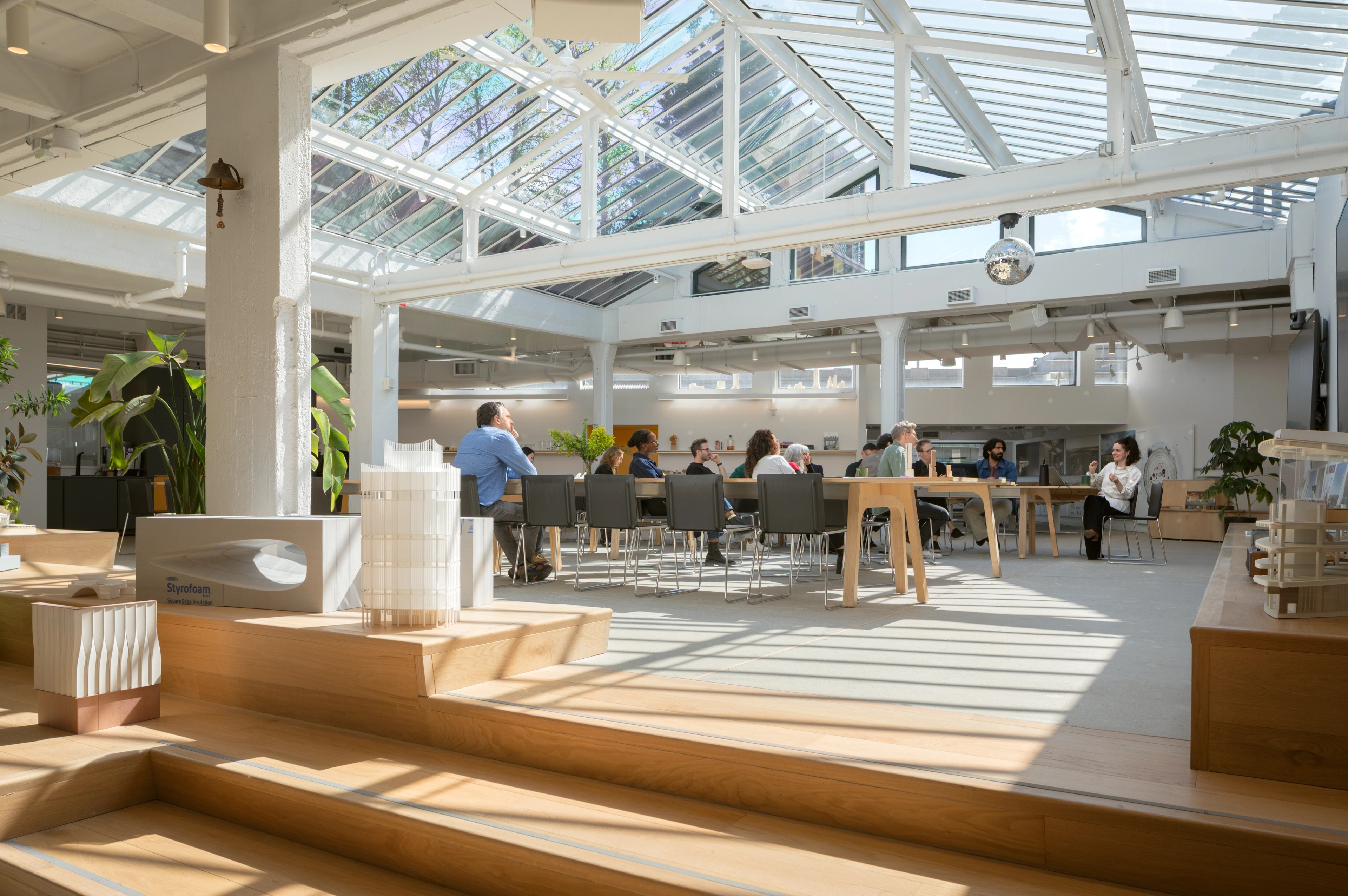
Q: Architects are often focused on designing for others. What changed when you turned that lens on your own space, and how did you approach the Snøhetta office in a way that reflects how you work?
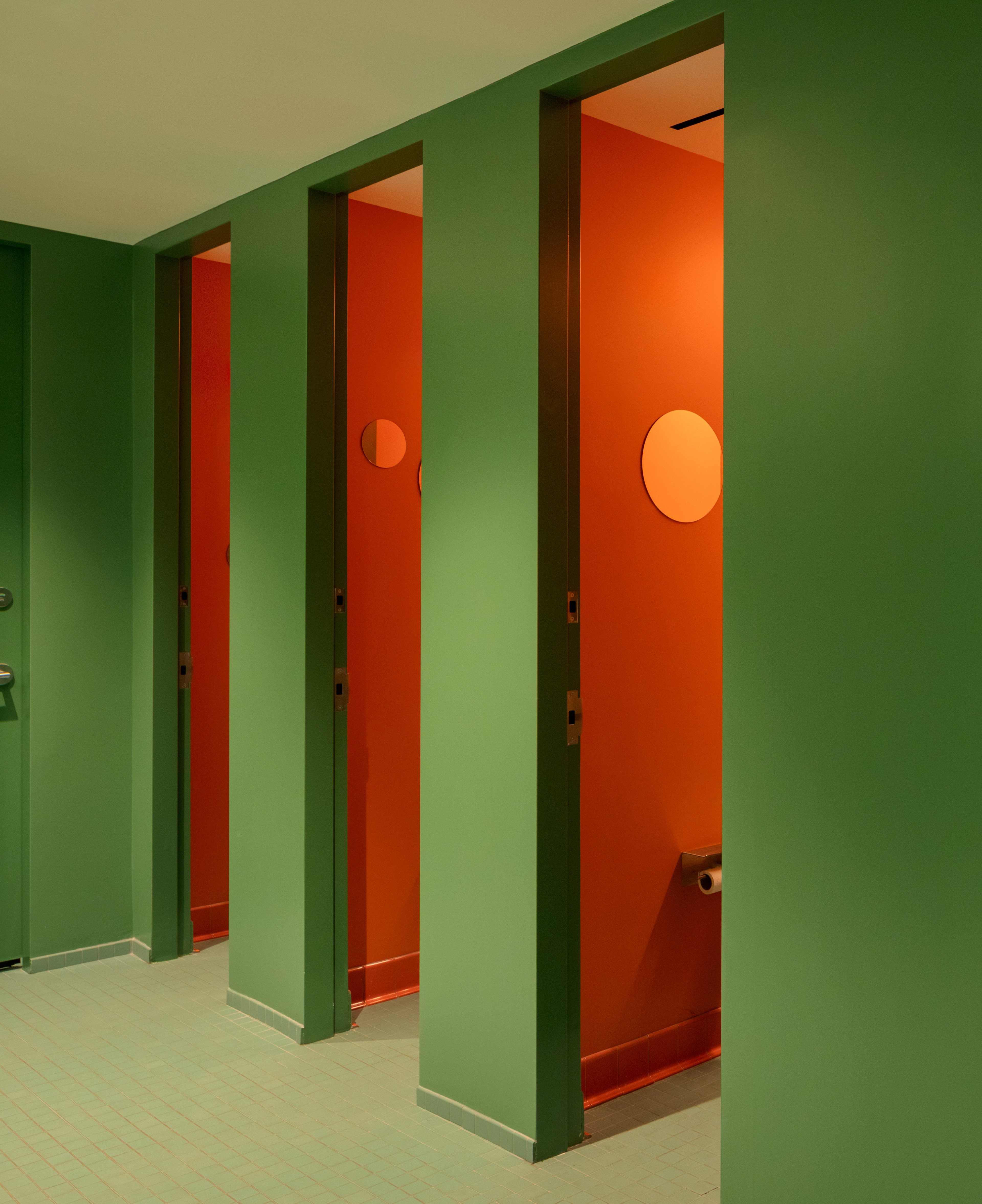
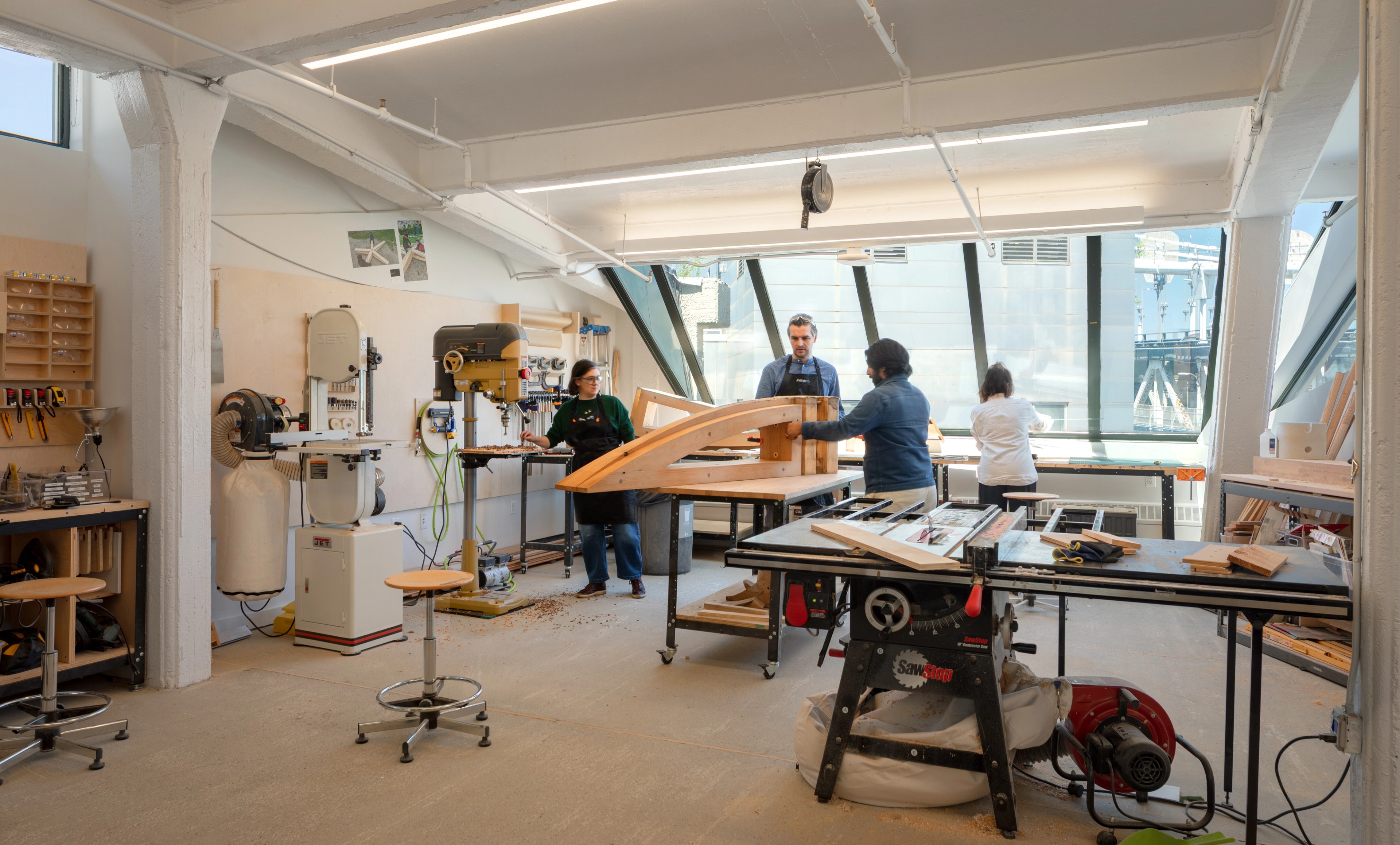
Craig: Designing for ourselves was an opportunity to be very intentional about how we collaborate and communicate. We focused on creating a space that is open, flexible, and inviting, one that encourages spontaneous interaction as much as focused work. Materials, light, movement and stillness were all considered through the lens of well-being and creativity. It’s less about hierarchy and more about shared experience, reflecting the energy of our studio.
Q: You’re known for your focus on sustainability and passive building. Is there a recent project where that approach really comes to the forefront? Or one your most proud of?
Craig: The Theodore Roosevelt Presidential Library in North Dakota is designed to work with nature rather than impose upon it. Upon completion and certification, it will be the largest and most complex Full Living Certified cultural institution in the world. This project meets and exceeds the most rigorous energy, water, carbon, and waste conscious guidelines, established by the Living Building Challenge, and will set a new standard for healthy design. The building emerges from the terrain and invites visitors to experience the surrounding ecology. It reflects our belief that architecture and landscape architecture can deepen our relationship with the natural world while highlighting environmental intelligence.
Q: You collaborated on the logo for Dumbo Design Day, a celebration of the very creative community you're now part of. What was the thinking behind the design, and what did it mean to contribute something to the neighborhood in that way?
Craig: The logo was conceived as a reflection of DUMBO’s diversity and dynamism. It was important that it be adaptable and expressive, capable of representing many voices rather than a single identity. We looked back in time and forward to the future. We combined Dumbo’s calligraphic, handmade character and its industrial history to make something entirely new. Contributing to Design Day is meaningful because it allowed us to engage with the community not just as participants, but as collaborators. It’s a small gesture, but one that reflects our appreciation for the neighborhood and our desire to be part of its ongoing creative dialogue.
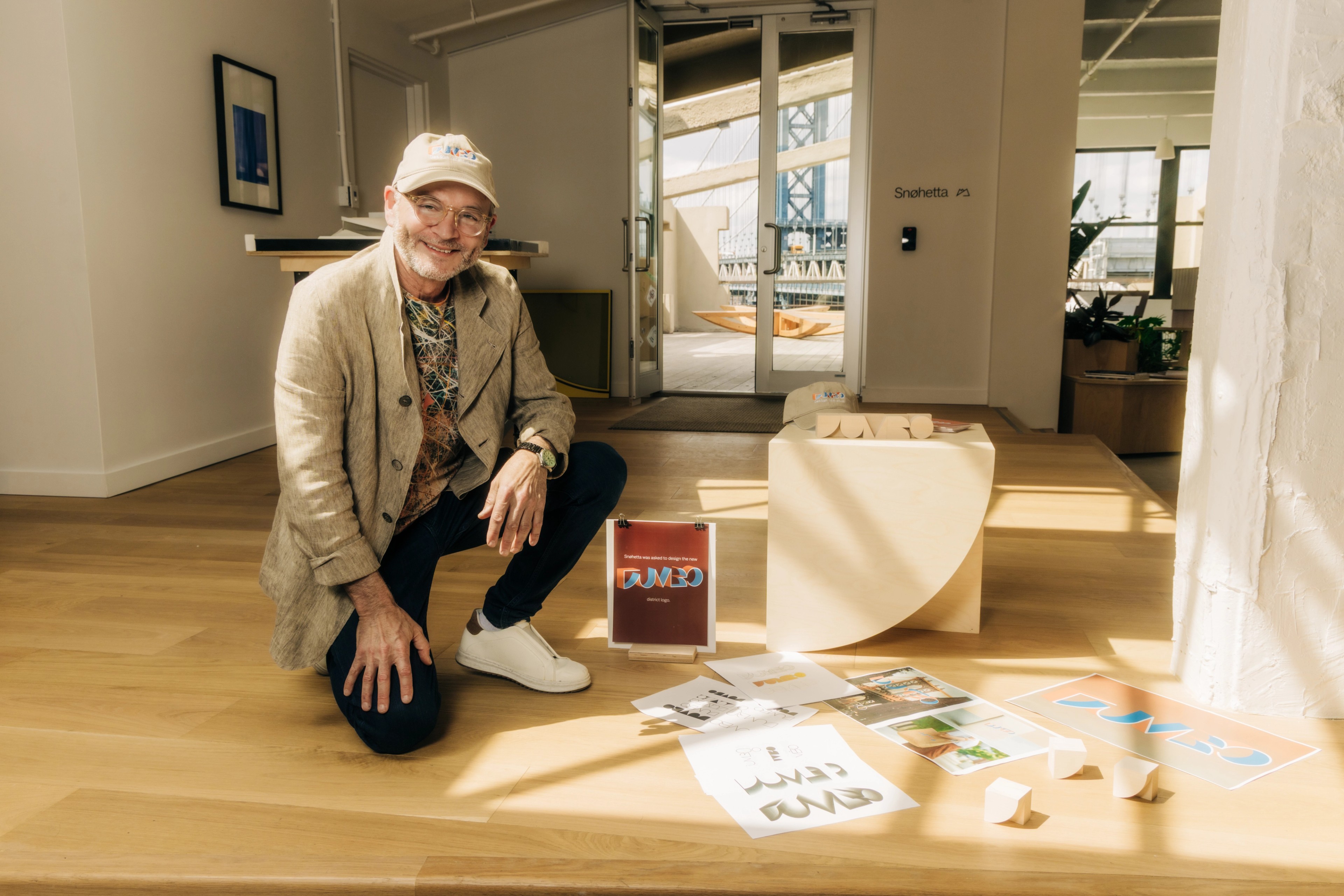
Founder Craig Dykers on Dumbo Design Day 2026
Explore More

From a Few Employees to Hundreds: Overtime’s DUMBO Story

Reinventing the Wig in DUMBO: A Q&A with The Renatural

Meet North.cloud: The Fast-Growing Tech Startup Building the Future of Cloud Spend in DUMBO
